
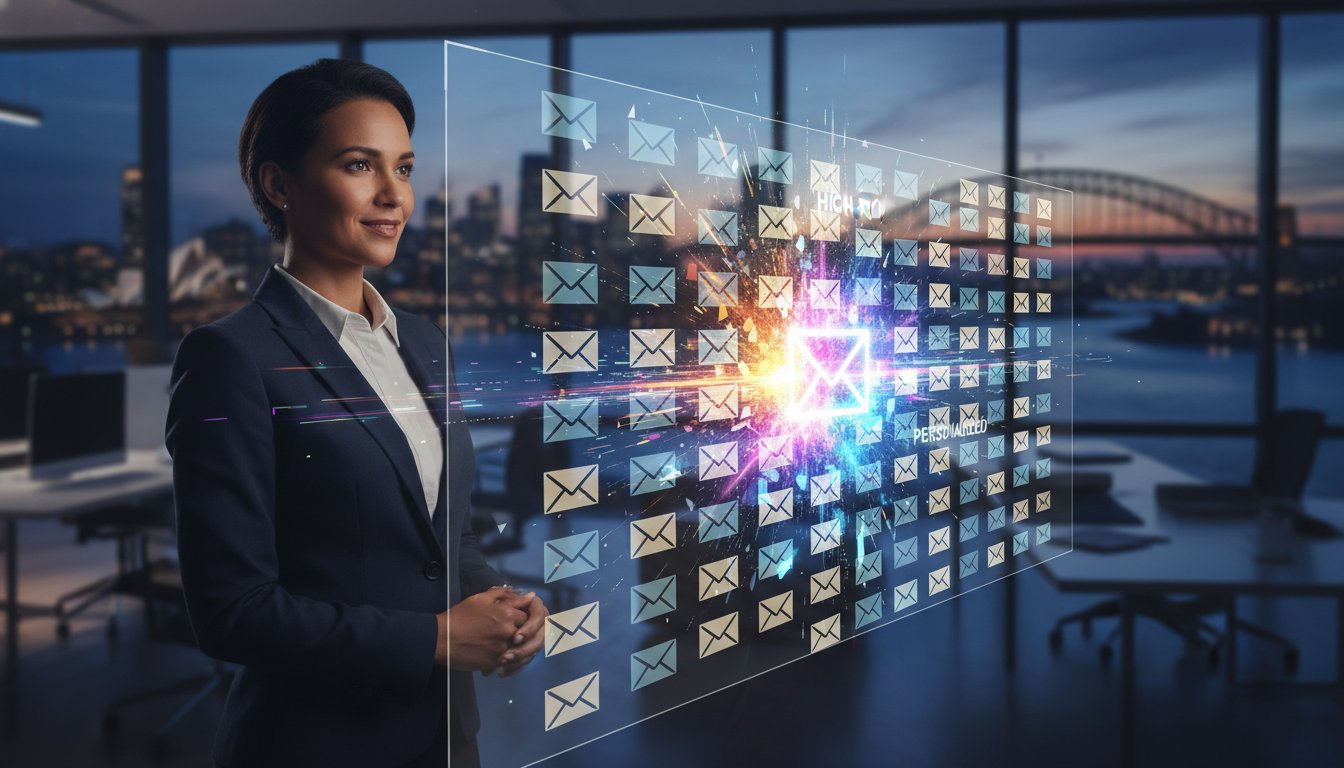
Your customers’ inboxes are a graveyard of beige content, and right now, your brand is likely just another ghost. It’s a harsh reality, but in 2026, a mediocre email marketing strategy for ecommerce isn’t just boring; it’s a fast track to the spam folder. You’re probably tired of watching your open rates stagnate while unsubscribe numbers climb. It feels like a chore, a “batch and blast” routine that yields nothing but technical headaches and silence. You know your products deserve better than the industry average 32.67% open rate. We agree that the traditional, middle-of-the-road approach is dead.
This guide will show you how to flip the script and turn your emails into a remarkable, high-ROI revenue engine that can generate up to $79 for every $1 spent. We’ll explore how to leverage AI-powered automations and a rebellious brand voice to build automated revenue that runs in the background. You’re about to discover how to stop being ignored and start becoming the brand your customers actually look forward to reading. It’s time to leave the middle of the pack and claim your spot as a market leader.
Key Takeaways
- Ditch the “batch and blast” habit and learn why a modern email marketing strategy for ecommerce requires radical relevance to survive the 2026 inbox.
- Discover how to use zero-party data and “Vibe Coding” to create hyper-personalized experiences that foster genuine brand loyalty.
- Implement the five core automation flows that generate consistent revenue in the background while building stronger relationships with your customers.
- Master provocative, human-centric copywriting techniques that stop the scroll and protect your brand from the “beige” trap of mediocrity.
- Understand the power of a holistic digital strategy that connects your email efforts with professional SEO and high-converting website design.
The Death of ‘Batch and Blast’: Why Your Ecommerce Email Strategy is Failing
Stop playing it safe. In 2026, being “beige” is a death sentence for your store. Most brands treat their email marketing strategy for ecommerce like a digital flyer, spamming their entire list with the same tired discounts. It’s boring. It’s predictable. It’s exactly why your open rates are in the gutter. Throughout the history of email marketing, we’ve seen tactics evolve from simple text to complex data flows, yet many businesses still cling to the “batch and blast” chore. They choose the safe, invisible approach because they’re afraid to stand out. But in a world of infinite noise, the middle of the road is where you get run over.
To better understand how the landscape has shifted, watch this quick breakdown of modern ecommerce email tactics:
A real strategy is more than a monthly newsletter or a recurring discount code. It’s a calculated system designed to build authority. If you aren’t providing radical relevance, you’re just contributing to the digital landfill. The cost of this invisibility is steep. High unsubscribe numbers are just the beginning; the real danger is a plummeting sender reputation that lands even your best offers in the spam folder. When you stop being remarkable, you stop being delivered.
The Psychology of the Modern Inbox
Your customers have developed a hair-trigger “Delete” reflex. Their thumbs move faster than their thoughts. If your subject line looks like a carbon copy of every other promotional notification, it’s gone. Safe subject lines are the riskiest move you can make. They signal to the brain that there’s nothing new or remarkable inside. You must shift from transactional noise to relational communication. Are you solving a problem or just begging for a click? In 2026, customers don’t just want products; they want a brand voice they actually look forward to hearing.
Email vs. Social Media: The Direct Connection
Algorithms are fickle masters. You don’t own your followers on social media; you’re just renting their attention on a platform that could change the rules overnight. Your email list is the only digital asset you truly control. It’s the ultimate bridge between your web design and a completed checkout. A well-executed email marketing strategy for ecommerce is algorithm-proof. It bypasses the gatekeepers and lands you directly in the customer’s personal space. If you aren’t utilizing this direct line to build a definitive market position, you’re leaving your revenue to chance.
The Remarkable Framework: Data, Segmentation, and Vibe
Data is the pulse of your brand, not just a spreadsheet of names. If you’re still relying on basic demographics like age or location, you’re building on sand. A truly remarkable email marketing strategy for ecommerce leverages zero-party data; information your customers willingly share about their preferences and pain points. This isn’t just about collecting info; it’s about using data-backed email strategies to create an experience that feels tailor-made. When you move beyond the generic, you move into a position of authority.
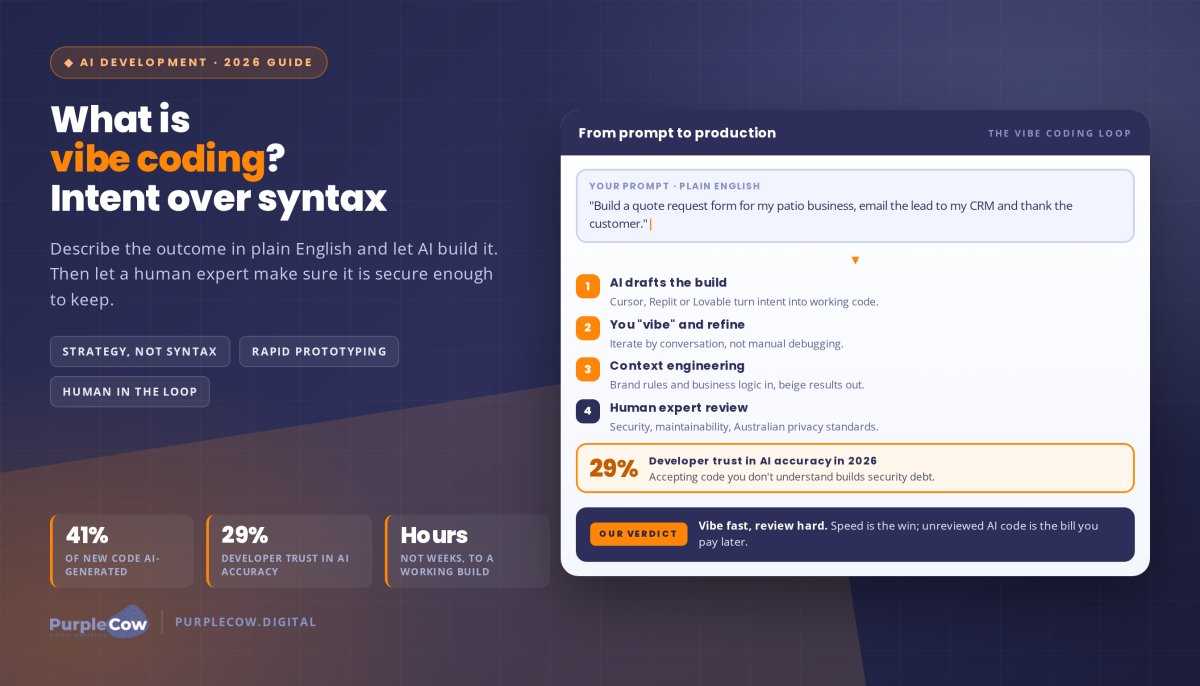
We call this “Vibe Coding.” It’s the surgical fusion of AI-driven insights with raw human creativity. AI can predict when a customer is likely to churn, but it can’t write a punchy, rebellious subject line that makes them stay. You need both. This framework stands on three non-negotiable pillars:
- Frequency: Staying top-of-mind without becoming a nuisance.
- Value: Providing more than just a “buy now” button.
- Personality: Having a voice that people actually recognize.
Your strategy is only as strong as your technical foundation. If your site is slow or your tracking pixels are broken, your emails are firing into a void. This is why consistent website maintenance is a strategic necessity, not a luxury. If the bridge between the email and the store is broken, your ROI will suffer. If you’re feeling overwhelmed by the technical setup, our team can help you build a cohesive digital ecosystem that actually converts.
Hyper-Segmentation in 2026
Stop treating your VIPs like window shoppers. Hyper-segmentation is the antidote to the generic in ecommerce. It means distinguishing between “The Hesitant Browser,” who needs a gentle nudge of social proof, and “The VIP,” who deserves exclusive early access. Predictive analytics allow you to anticipate needs before the customer even articulates them. By analyzing behavioral patterns, you can send the right offer at the exact moment of maximum impact. It’s about being relevant, not just present.
The Technical Stack for Success
Your CRM shouldn’t be an island. It needs to be the central nervous system that communicates fluently with your store, your Meta ads, and your search data. Deliverability isn’t a “set it and forget it” task; it’s a strategic priority. If you aren’t hitting the inbox, your creative brilliance doesn’t matter. Integrating these efforts into a broader marketing strategy for small business ensures that every touchpoint reinforces your brand’s unique character. Don’t let a weak stack hold back a bold vision.
The 5 Essential Automations That Turn Browsers Into Brand Evangelists
Automations are the engine of a high-ROI email marketing strategy for ecommerce. While 63% of email marketers use AI, the real winners don’t treat these flows as “set and forget” chores. According to verified data, automated emails drive 37% of all email-generated sales, despite making up only 2% of total email volume. If you aren’t leveraging this power, you’re leaving revenue on the table for your competitors to scoop up. These aren’t just technical sequences; they’re the digital heartbeat of your brand.
The ‘Remarkable’ Welcome Series
Your first email is an audition. Most brands blow it by sending a generic, beige “Here’s 10% off” note. That’s a wasted opportunity. To stand out, you need a “Purple Cow” moment that happens within the first 60 minutes of signup. Structure a 3-part sequence that hooks the reader, tells your brand story, and demonstrates the transformation your products offer. If you don’t establish a definitive brand identity immediately, you’ll be forgotten by the second send. Set the tone early or prepare to be ignored.
Winning the Abandoned Cart Battle
Stop begging for the sale. Abandoned cart emails often sound desperate, which is the ultimate vibe killer. Instead, use a dynamic cart to show them exactly what they missed. Trigger these emails based on intent: use “browse abandonment” flows for window shoppers and “cart abandonment” for those who were inches from the finish line. Use social proof and subtle FOMO without the sleazy marketing tactics. It’s about reminding them why they wanted the product, not just discounting your way to a thin margin.
The journey doesn’t end at the checkout. Post-purchase delight turns a one-time buyer into a lifelong fan by providing value before the package even arrives. Send unboxing tips or styling guides. When subscribers go dormant, use re-engagement flows to prune your list. If they haven’t opened an email in six months, it’s time to say goodbye to protect your sender reputation. Finally, build a Loyalty Loop that rewards your VIPs with early access and exclusive content. By using strategic automation, you move from being a vendor to becoming a part of their lifestyle. Be remarkable or be deleted.
Copywriting That Cuts Through: How to Avoid ‘Beige’ Communication
Most ecommerce emails look like they were written by a committee in a windowless basement. They’re safe, corporate, and utterly invisible. If your email marketing strategy for ecommerce relies on “best-in-class” solutions or “unprecedented” savings, you’ve already lost. In 2026, customers don’t just ignore marketing speak; they actively resent it. To cut through the noise, your copy must be provocative. It needs to read like it was written by a human with a pulse, not an AI bot trying to mimic a legal department. Stop being beige and start being remarkable.
The battle for attention is won or lost before the email is even opened. With the average ecommerce click-through rate sitting at a razor-thin 2.86%, every word must fight for its life. You need to banish the “beige” from your vocabulary. Words like “synergy,” “revolutionary,” or “groundbreaking” are empty calories. They take up space without delivering value. Instead, use raw, honest language that reflects your brand’s true character. If you want to stop being a ghost in the inbox, partner with a team that knows how to write copy that converts.
Crafting Unmissable Subject Lines
The “Purple Cow” approach to subject lines is simple: be provocative or be ignored. Use the “Curiosity Gap” technique to hint at a story without giving away the ending. A/B testing is your weapon against mediocrity, but don’t just measure opens; measure the intent behind the click. Your subject line is the most important 50 characters in your business because it determines whether your entire strategy lives or dies. If it doesn’t spark an immediate emotional reaction, it’s just more digital landfill.
The Power of Storytelling in Ecommerce
People don’t buy products; they buy the transformation those products provide. Shift your focus from “buy this” to “here is why we exist.” Share raw customer stories that build authority naturally. This isn’t about bragging; it’s about showing your brand in the wild. Maintaining a consistent branding voice across every automated touchpoint is non-negotiable. Whether it’s a transactional receipt or a high-level campaign, the “vibe” must remain unshakable.
Finding the “Remarkable” balance between visual design and plain text is a strategic priority for 2026. While high-end imagery has its place, sometimes a plain-text email feels more personal and urgent. It suggests a direct connection. Don’t hide behind over-designed templates if your message is strong enough to stand on its own. Authenticity is the ultimate differentiator in an AI-saturated market. Be bold, be human, and never settle for the middle of the pack.
Scaling Your Store with a Strategic Email Partner
Scaling a brand requires a level of objectivity that’s hard to maintain when you’re in the trenches. DIY efforts often stall because they lack the aggressive edge needed to dominate a crowded market. A professional email marketing strategy for ecommerce isn’t just about sending pretty templates; it’s about building a system that anticipates market shifts. When you partner with experts, you move from reactive “firefighting” to proactive growth. You stop guessing what your audience wants and start using data to command their attention.
This growth doesn’t happen in a vacuum. Your email flows must be the connective tissue between your seo services and your storefront. If your organic traffic is high but your retention is low, your business is a leaky bucket. A strategic partner ensures that every visitor captured by search is nurtured through a sequence that reinforces your unique value. This synergy transforms your store from a simple shop into a definitive market leader. Don’t let your hard-earned traffic go to waste because of a weak follow-up.
It’s time to move beyond vanity metrics and focus on the data that impacts your bank account. While opens and clicks are helpful, a strategic partner focuses on Revenue Per Subscriber. This shift in perspective allows you to identify which segments are your true growth drivers and which are just costing you platform fees. Auditing your current flows for mediocrity is the first step toward a remarkable 2026. If your current setup feels like a chore, it’s time for a radical change.
Integrating Email into Your Growth Engine
Email is the high-octane fuel for your broader marketing machine. It provides the deep behavioral insights needed to sharpen your retargeting ads and social media campaigns. For those focused on attracting high-paying clients, your email voice must project a level of sophistication that beige, automated templates simply can’t match. As you scale, your strategy must transition from basic communication to a complex, multi-layered engine of influence. It’s about evolving alongside your most loyal customers.
The PurpleCow Digital Marketing Advantage
We don’t do middle-of-the-road. Our approach fuses kőkemény technical automation with a pimaszly smart creative strategy that makes your brand unmissable. We aren’t here to play it safe; we’re here to help you leave the comfort zone of mediocrity and claim the revenue you’ve been leaving on the table. By combining expert CRM management with provocative storytelling, we ensure your brand remains the “Purple Cow” in a field of beige. Stop being boring and start being remarkable with PurpleCow Digital Marketing. The front of the pack is waiting for you.
Stop Settling for Digital Invisibility
The days of playing it safe are over. In 2026, a mediocre email marketing strategy for ecommerce is just a slow way to burn your budget and alienate your audience. You’ve seen how hyper-segmentation and “Vibe Coding” can transform a boring list into a high-ROI revenue engine. You now know that your automations are the heartbeat of your store; your copy is the voice that either builds authority or gets deleted. The choice between being beige and being remarkable is yours to make.
As a national results-driven agency, we specialize in 100% custom digital strategies that refuse to follow the herd. We are WordPress and ecommerce experts who believe your brand deserves to be megkerülhetetlen. Don’t let your business stay hidden in the middle of the pack. It’s time to trade technical overwhelm for automated revenue and a brand voice that actually converts. Ready to make your ecommerce brand unmissable? Let’s build a remarkable strategy together.
Your store’s potential is too high to waste on safe, boring marketing. Take the leap, audit your flows, and start claiming the market position you’ve earned. Success belongs to the bold.
Frequently Asked Questions
What is the best email marketing strategy for ecommerce in 2026?
The best email marketing strategy for ecommerce in 2026 is built on radical relevance and behavioral triggers. You must move beyond the “batch and blast” chore and embrace hyper-segmentation driven by zero-party data. By combining AI-powered predictive analytics with a provocative brand voice, you create an experience that feels individualized rather than automated. It is about being remarkable enough to earn a permanent spot in your customer’s daily routine.
How often should I send marketing emails to my ecommerce customers?
Frequency should be dictated by engagement levels, but a baseline of two to three high-value emails per week is standard for active segments. Don’t send mail just to fill a calendar. If you don’t have something remarkable to say, stay silent. High-frequency sending only works if every touchpoint provides genuine value. Monitor your unsubscribe rates closely; if they begin to climb, your value-to-noise ratio is likely off balance.
Is email marketing still effective for small ecommerce businesses?
Email marketing remains the most effective growth lever for small stores because you own the audience. Unlike social media platforms where algorithms gatekeep your reach, email is a direct, unfiltered line to your customers. With an average ROI of $36 to $42 for every dollar spent, it is the ultimate tool for scaling. Small brands can beat corporate giants by being more agile, more human, and significantly less beige.
How do I grow my ecommerce email list without being annoying?
Grow your list by offering a “Purple Cow” incentive that provides immediate value beyond a generic discount code. Use interactive quizzes or exclusive early access to limited product drops to entice signups. Avoid aggressive pop-ups that trigger the moment a page loads. Instead, use exit-intent triggers or scroll-based offers. When the value proposition is bold and clear, customers will willingly trade their data for the experience you provide.
What are the most important metrics to track in ecommerce email marketing?
Stop obsessing over vanity metrics like open rates and start tracking Revenue Per Subscriber and Customer Lifetime Value (CLV). These numbers reflect the actual financial health of your store. You should also monitor your click-to-purchase rate to see how effectively your copy drives real action. A high open rate is useless if it doesn’t lead to a transaction. Focus on the data that impacts your bank account, not your ego.
Can I use AI to write my ecommerce marketing emails?
You can use AI to generate campaign ideas and subject lines, but a human must always provide the final “vibe.” While 63% of marketers use AI, the most successful brands use it as a co-pilot rather than an autopilot. AI handles data-heavy tasks like predictive sending times and product recommendations, while your creative team ensures the voice remains provocative and rebellious. Don’t let a bot make your brand sound like everyone else.
How do I prevent my ecommerce emails from going to the spam folder?
Deliverability starts with technical discipline and ends with engagement. Ensure your SPF, DKIM, and DMARC records are correctly configured to prove your legitimacy to inbox providers. Beyond the tech, keep your list clean by pruning inactive subscribers every six months. Gmail and Outlook prioritize mail that people actually open and interact with. If your content is beige and consistently ignored, filters will eventually treat your brand as trash.
What is the difference between transactional emails and marketing emails?
Transactional emails are functional messages triggered by a specific action, such as order confirmations or shipping updates. Marketing emails are persuasive messages designed to drive sales, brand loyalty, or engagement. While transactional mail often sees higher open rates, marketing mail requires clear consent and an easy unsubscribe option to comply with GDPR and CAN-SPAM regulations. Both are essential, but only a strategic marketing flow turns a one-time buyer into a brand evangelist.

Article by
Angie Neal
Angie Neal is the founder and CEO of PurpleCow Digital, a full-service digital marketing agency based on Queensland's Redcliffe Peninsula. With deep expertise in SEO and web design, as well as a certification as a GoHighLevel Admin. Angie helps small-to-medium businesses build scalable growth systems through AI-powered automations, CRM workflows, and smart digital strategy. She's also passionate about building a community of like-minded agency owners at the After Party — sharing insights, solving real problems, and helping others grow. Whether it's search visibility, lead management, or end-to-end automation — Angie's focus is always on helping businesses scale sustainably.